How climate finance is improving access to safe water in Mozambique and Zambia
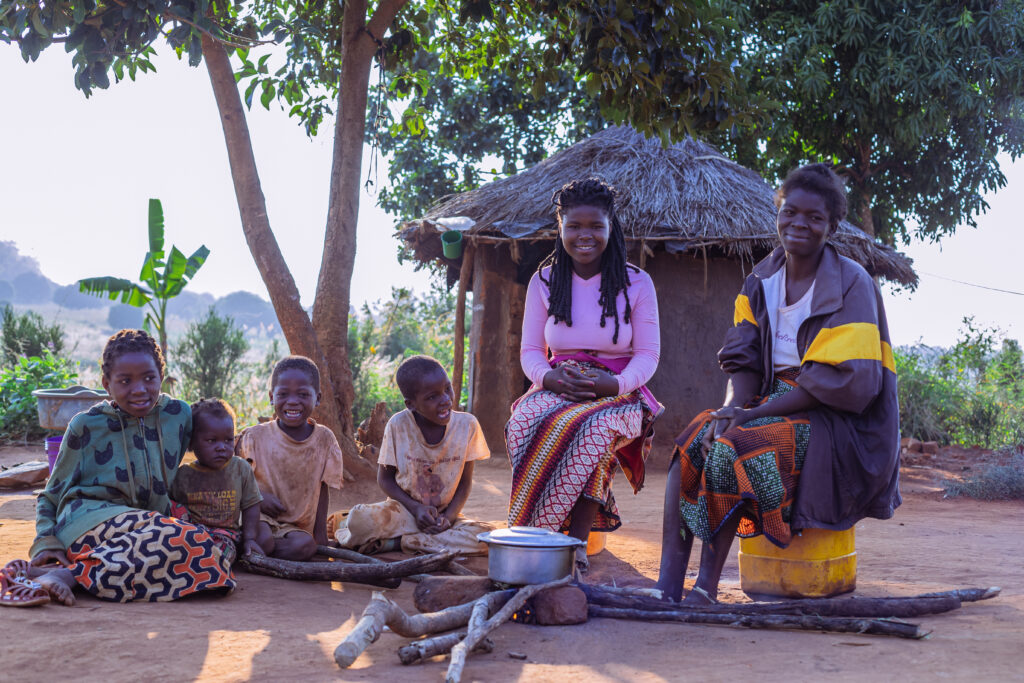
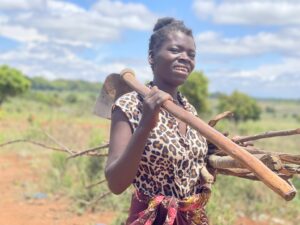
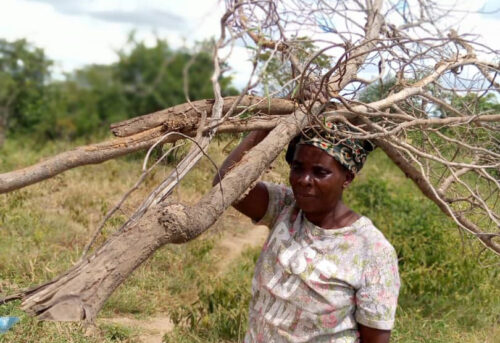
Across rural communities in Zambia and Mozambique, many families still rely on unsafe water sources for their daily needs. In the absence of safe drinking water, households often boil water using wood or charcoal. While this makes water safer, it also contributes to carbon emissions and places additional pressure on local natural resources.
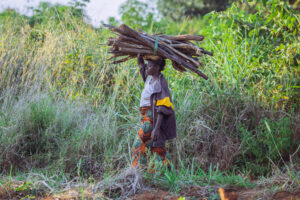
Through our partnership with CO2balance, Village Water is delivering a water, sanitation and hygiene (WASH) programme that addresses both challenges together.
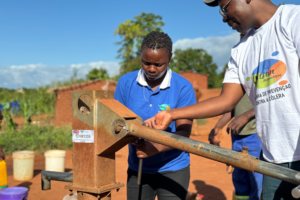
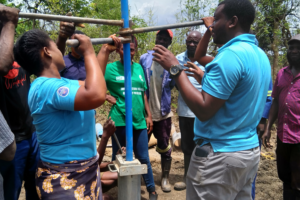
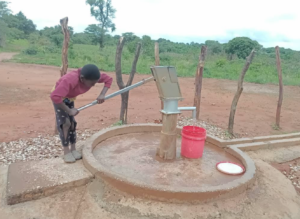
CO2balance is a carbon finance organisation that supports investment in projects which reduce emissions. In this project, funding is directed towards improving access to safe water through the rehabilitation of broken handpumps and water supply infrastructure.
The project is already delivering measurable results: over 1.3 million people and 3,628 villages reached and 4.1 million tonnes of carbon emissions savings over the lifetime of 4 projects. All projects are certified by Gold Standard.*
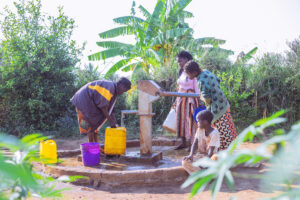
By restoring reliable water sources within communities, the project helps reduce the need for households to boil water using harmful fuels. This leads to fewer carbon emissions and reduced pressure on local environments, while also improving daily access to safe drinking water.
This approach also delivers other benefits including reduced incidence of waterborne disease and time savings for households previously collecting fuel or treating water.
This programme demonstrates how climate finance can be used to support essential services like safe water. By linking emissions reduction with practical infrastructure improvements, it delivers measurable impact for both people and the planet.